How Comparative Negligence Works in California Car Accident Cases
How Comparative Negligence Works in California Car Accident Cases
Car accidents can leave victims dealing with medical expenses, lost wages, vehicle damage, and emotional stress. In many California accident claims, more than one driver may share responsibility for the crash. When this happens, California’s comparative negligence laws can directly affect how much compensation an injured person may recover.
At Law Office of Ball & Yorke, we provide legal assistance to the Ventura public and help injured individuals understand their rights after a car accident.
What Is Comparative Negligence?
Comparative negligence is a legal rule used to determine how fault is divided between parties involved in an accident. California follows a “pure comparative negligence” system, which means that an injured person may still recover damages even if they were partially responsible for the crash.
Under this system, compensation is reduced according to the injured party’s percentage of fault.
For example, if a driver is awarded $100,000 in damages but is found to be 20% responsible for the accident, they may still recover $80,000.
How Fault Is Determined in California
Insurance companies, attorneys, and sometimes courts examine evidence to decide how fault should be allocated after an accident. Several factors may be considered, including:
- Police reports
- Witness statements
- Traffic camera footage
- Vehicle damage
- Medical records
- Accident reconstruction analysis
Even seemingly minor actions, such as speeding slightly above the limit or failing to signal, may affect the percentage of fault assigned to a driver.
Common Examples of Comparative Negligence
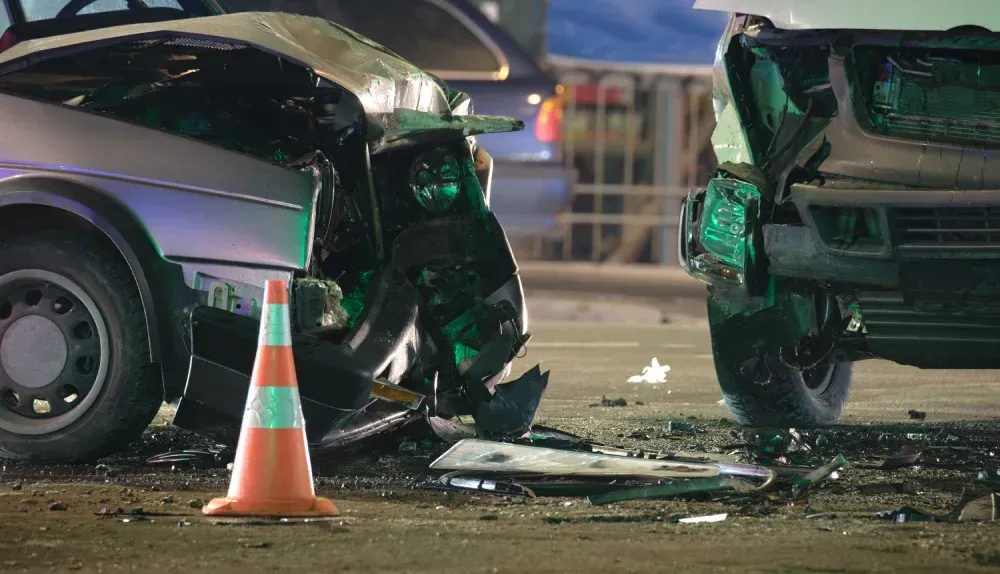
Comparative negligence often applies in accidents where both drivers contributed to the collision in some way.
Rear-End Collisions
Although rear drivers are often considered at fault, the lead driver may share responsibility if they suddenly stopped without reason or had malfunctioning brake lights.
Left-Turn Accidents
A driver making a left turn may be partially responsible for failing to yield, while the other driver could also share fault for speeding or distracted driving.
Distracted Driving Cases
If both drivers were distracted before the accident, fault may be divided between them based on their actions leading up to the collision.
Why Comparative Negligence Matters
Insurance companies frequently use comparative negligence arguments to reduce payouts. Even when injuries are serious, an insurer may attempt to place partial blame on the injured party to lower the amount they must pay.
Because of this, gathering strong evidence after an accident is important. Photos, witness information, medical documentation, and timely legal guidance may help support a claim and challenge unfair fault allegations.
Damages That May Be Affected
Comparative negligence can impact many types of compensation in a California car accident claim, including:
- Medical expenses
- Lost income
- Property damage
- Pain and suffering
- Future medical treatment costs
The greater a person’s percentage of fault, the more their financial recovery may be reduced.
How Legal Representation May Help
Car accident claims involving shared fault can become complicated quickly. Insurance companies often dispute liability, minimize injuries, or attempt to shift blame.
An attorney may help by:
- Investigating the accident
- Gathering supporting evidence
- Negotiating with insurance companies
- Evaluating settlement offers
- Representing clients in court if necessary
Having legal guidance may improve the chances of pursuing fair compensation after an accident.
Contact Law Office of Ball & Yorke
If you were injured in a car accident and questions about fault are affecting your claim, understanding California’s comparative negligence laws is important. Law Office of Ball & Yorke provides legal assistance to individuals throughout Ventura and can help evaluate your situation after a collision.